
29 BL / 29-49 / 29-34 / 110 / 16 729402 Blind Stich Machine Needle
In stock
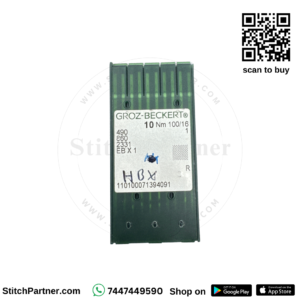
490 / 860 / 2331 / EBX1 90 / 14 Quilting Machine Needle
In stock
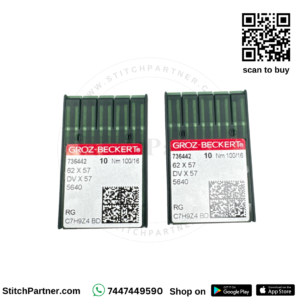
62X57 / 5640 / DVX57 100 / 16 Industrial Sewing Machine Needle
In stock
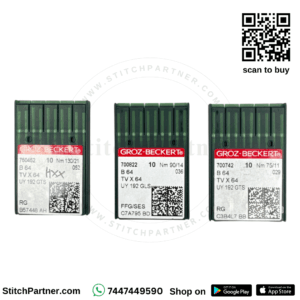
700772 TVX64 NM Feed Off Arm Machine Needle
In stock

720232 TVX5 NM Feed Of Arm & Belt Machine Needle
In stock
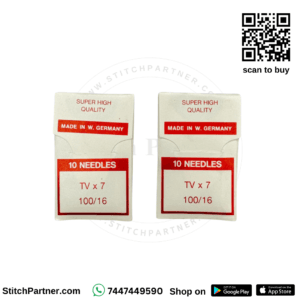
720362 TVX7 Industrial Chainstitch Sewing Machine Needle
In stock
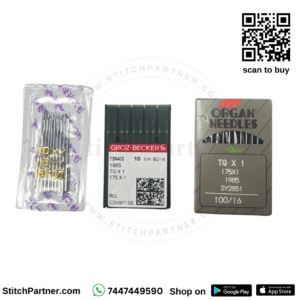
756882 TQX1 NM Button Stitch Machine Needle
In stock

763202 DRX2 / UY 1973 Needle For Heavy Duty Bag Closing Machine
In stock
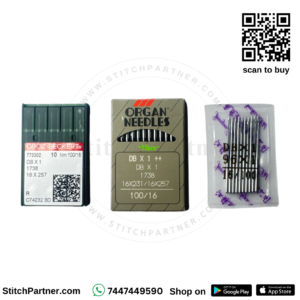
DBX1 1738 16X257 FOR SINGLE NEEDLE MACHINE
In stock
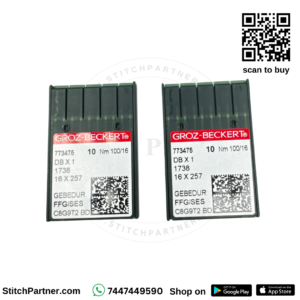
DBX1 Golden Needle For Lock Stitch Sewing Machine
In stock

DCX27 B27 81X1 FOR OVERLOCK SEWING MACHINE
In stock
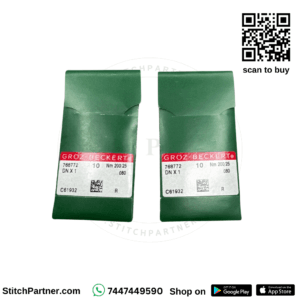
DNX1 768782 Needle For Gabbar / Bag Closer Sewing Machine
In stock
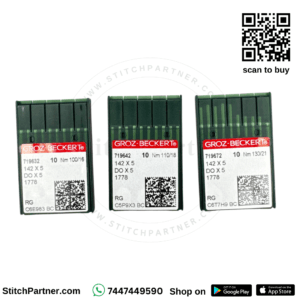
DOX5 142X5 1778 FOR Eyelet Buttonhole Machine Needle
In stock
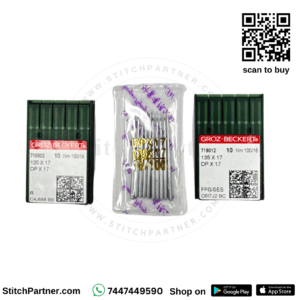
DPX17/ 135X17 SEWING MACHINE
In stock
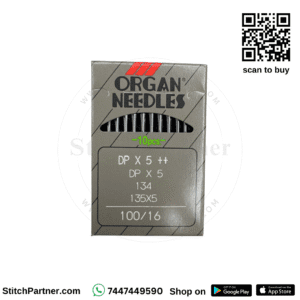
DPX5 Needle (Button Hole Machine)
In stock
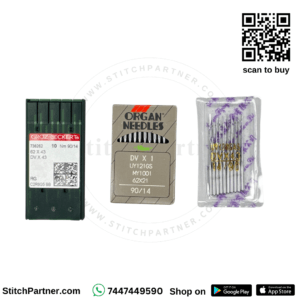
DVX43 62X43 FOR INTERLOCK, FLATLOCK SEWING MACHINE
In stock
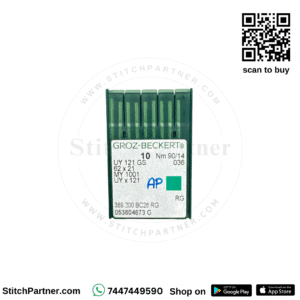
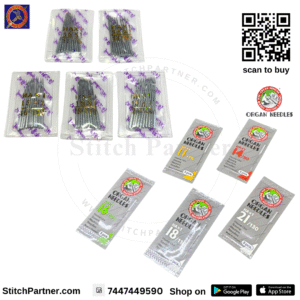
HAX1 Needle Compatible with All Automatic & Domestic Sewing Machines (Usha / Singer / Allure / Brother)
In stock
Sewing Machine Needles for Industrial, Tailoring & Garment Machines
A Sewing Machine Needle is the most frequently replaced component in any sewing machine and has a direct impact on stitch quality, sewing speed, thread performance, fabric appearance, and overall machine efficiency. Whether you are a tailor, boutique owner, garment manufacturer, embroidery operator, textile production unit, alteration professional, or home sewing enthusiast, selecting the correct needle is essential for achieving clean, consistent, and professional stitching results.
Many sewing problems that are blamed on thread, machine settings, or machine quality are actually caused by using an incorrect, worn, bent, or damaged needle. Skipped stitches, thread breakage, seam puckering, uneven stitching, fabric damage, and poor embroidery quality can often be solved simply by choosing the right sewing machine needle.
This category includes a wide range of Sewing Machine Needles, Industrial Sewing Needles, Machine Needles, Tailoring Machine Needles, Silai Machine Needles, Stitching Machine Needles, Sewing Machine Sui, Textile Sewing Needles, Garment Sewing Needles, Organ Needles, Lockstitch Machine Needles, Overlock Machine Needles, Embroidery Machine Needles, High Speed Sewing Needles, Universal Sewing Needles, DBx1 Needles, DPx5 Needles, DCx27 Needles, UY128 Needles, and B27 Needles used across various sewing industries.
Types of Sewing Machine Needles
Different sewing machines require different needle systems. Even when two needles appear identical, they may not be interchangeable.
Lockstitch Machine Needles
Lockstitch Machine Needles are among the most commonly used industrial sewing needles. They are widely used in tailoring shops, garment factories, boutiques, alteration centers, and textile manufacturing units.
DBx1 Needles are one of the most popular lockstitch needle systems and are commonly used in industrial sewing machines from Jack, Juki, Brother, Zoje, Typical, Siruba, Daisen, and other manufacturers.
Overlock Machine Needles
Overlock Machine Needles are used for seam finishing, knitwear production, garment assembly, and edge overlocking operations.
Popular systems include:
- DCx27 Needles
- B27 Needles
These needles are designed to withstand continuous high-speed operation in overlock and safety stitch machines.
Embroidery Machine Needles
Embroidery Machine Needles are specifically designed for decorative stitching and computerized embroidery applications.
These needles help:
- Reduce thread friction
- Improve embroidery quality
- Prevent thread breakage
- Maintain stitch consistency during high-speed embroidery
Embroidery units producing logos, monograms, uniforms, and decorative garments often rely on specialized embroidery needle systems.
Heavy Duty Industrial Sewing Needles
DPx5 Needles are widely used for heavier materials and demanding industrial applications.
Common uses include:
- Denim manufacturing
- Upholstery work
- Canvas stitching
- Bag manufacturing
- Technical textiles
- Leather goods production
Interlock & Flatlock Needles
Machines used for knitwear, hosiery, sportswear, and stretch fabrics often require specialized needle systems such as UY128 Needles.
These systems are designed for high-speed production while minimizing fabric damage.
Popular Needle Systems Explained
DBx1 Needles
DBx1 Needles are primarily used in single needle lockstitch machines and are among the most common industrial sewing needles available today.
Suitable for:
- Tailoring
- Garment manufacturing
- General stitching
- Fashion production
DPx5 Needles are designed for heavier sewing operations involving thicker materials and larger thread sizes.
DCx27 Needles are commonly used in overlock machines for garment finishing and knitwear production.
UY128 Needles are often used in interlock and coverstitch machines handling stretch fabrics and knitwear.
B27 Needles are used in several industrial overlock machine models.
How to Choose the Correct Sewing Machine Needle
Many buyers select needles based only on size, but professional garment factories usually consider several factors before choosing a needle.
Machine Type
The needle system must match the machine specification.
Fabric Type
Different fabrics require different needle sizes and point types.
Thread Size
The needle eye must allow smooth thread movement without excessive friction.
Sewing Speed
High-speed industrial machines require High Speed Sewing Needles capable of operating continuously.
Application
Embroidery, tailoring, denim production, leather stitching, knitwear manufacturing, and upholstery work all require different needle characteristics.
Needle Size Guide
Needle size selection affects both stitch quality and fabric protection.
Size 9–11
Suitable for:
- Chiffon
- Silk
- Lightweight fabrics
- Delicate materials
Size 14–16
Suitable for:
- Cotton fabrics
- General garment stitching
- Shirts
- Dresses
- Uniforms
Size 18–21
Suitable for:
- Denim
- Heavy cotton
- Workwear
- Jackets
Size 22–25
Suitable for:
- Canvas
- Leather
- Upholstery materials
- Industrial textiles
Using a needle that is too small can cause thread breakage, while using a needle that is too large may damage fabric and create visible needle holes.
Needle Point Types and Their Importance
Most buyers understand needle size but overlook needle point design.
Professional textile manufacturers often choose needles based on point type rather than size alone.
R Point
Suitable for:
- Woven fabrics
- General stitching applications
SES Point
Ideal for:
- Lightweight knitted fabrics
- Fine garments
SUK Point
Suitable for:
- Knitwear
- Stretch fabrics
- Hosiery
- Sportswear
SUK points separate fibers rather than piercing them aggressively.
SPI Point
Commonly used for:
- Fine woven fabrics
- Premium garment production
LR Point
Popular for:
- Leather stitching
- Decorative seams
Proper point selection helps reduce:
- Fabric damage
- Thread breakage
- Skipped stitches
- Seam distortion
Common Needle Selection Mistakes
Many sewing issues occur because buyers make avoidable needle selection mistakes.
Using the Wrong Needle System
A DBx1 Needle cannot replace every industrial needle system.
Always verify compatibility before purchasing.
Using Worn Needles
Even a small bend can affect stitch formation and damage fabric.
Ignoring Fabric Type
A needle suitable for denim may damage lightweight fabrics.
Using Incorrect Needle Size
Improper sizing often causes thread breakage and uneven stitching.
Why Thread Breakage Happens
Thread breakage is one of the most common sewing complaints.
Possible causes include:
- Damaged needle eye
- Bent needles
- Incorrect needle size
- Incorrect needle system
- Wrong thread-to-needle combination
- Excessive machine speed
- Poor threading
In many cases, replacing the needle immediately solves the problem.
Organ Needles and Professional Needle Brands
Organ Needle is one of the most respected names in the global sewing industry.
Organ Needles are widely used by:
- Garment factories
- Embroidery units
- Textile manufacturers
- Professional tailoring operations
Many industrial users also recognize brands such as:
- Organ
- Groz-Beckert
- Schmetz
These manufacturers produce specialized sewing machine needles for various industrial applications.
Which Sewing Machine Needle Fits My Machine?
One of the most common questions asked by buyers is compatibility.
Needle compatibility depends primarily on the needle system rather than the machine brand alone.
Industrial sewing machines from brands such as:
may use different needle systems depending on the machine model.
Always verify your existing needle system before ordering a replacement.
Related Sewing Machine Accessories
For best results, sewing machine needles should be used alongside properly maintained sewing machine accessories and spare parts.
Related categories include:
- Presser Feet
- Sewing Machine Thread
- Bobbins
- Bobbin Cases
- Rotary Hooks
- Needle Plates
- Feed Dogs
- Servo Motors
- Sewing Machine Spare Parts
- Overlock Machine Spare Parts
- Embroidery Machine Accessories
Proper maintenance of these components improves stitch quality and extends machine life.
Why Buy Sewing Machine Needles from StitchPartner
StitchPartner supplies sewing machine needles and industrial sewing accessories for garment factories, tailoring businesses, embroidery units, textile manufacturers, sewing technicians, and professional sewing operators across India.
Buyers can find a wide range of Industrial Sewing Needles, Organ Needles, Lockstitch Machine Needles, Overlock Machine Needles, Embroidery Machine Needles, Universal Sewing Needles, and High Speed Sewing Needles suitable for various machine models and applications.
Pan-India delivery, GST billing, compatibility assistance, and access to a wide range of sewing machine spare parts make it easier to source the correct products for professional sewing operations.
Frequently Asked Questions
Which sewing machine needle should I choose?
The correct Sewing Machine Needle depends on your machine type, needle system, fabric, thread size, and sewing application. Always match the needle system recommended for your machine.
What is the difference between DBx1 and DPx5 needles?
DBx1 Needles are generally used in lockstitch sewing machines, while DPx5 Needles are designed for heavier-duty sewing applications involving thicker materials and larger threads.
Are Organ Needles suitable for industrial sewing machines?
Yes. Organ Needles are widely used in industrial sewing machines, embroidery machines, overlock machines, and garment manufacturing facilities worldwide.
How often should sewing machine needles be replaced?
Needles should be replaced whenever they become dull, bent, damaged, or when stitch quality starts to decline.
Can one needle fit all sewing machines?
No. Different machines require different needle systems. Always verify compatibility before purchasing.
What causes skipped stitches?
Skipped stitches are commonly caused by worn needles, incorrect needle systems, damaged needle points, or improper needle installation.
Which needle is best for embroidery machines?
Embroidery Machine Needles are specifically designed for embroidery applications and generally provide better thread performance during decorative stitching.
Which needle point is best for stretch fabric?
SUK Point needles are commonly recommended for knitwear, sportswear, stretch fabrics, and hosiery because they help reduce fabric damage and improve stitch quality.
Which sewing machine needle is best for denim?
Heavier needle sizes combined with suitable industrial needle systems are generally preferred for denim and heavy fabric sewing applications.
How do I identify the correct replacement needle?
Check the needle system marked on your existing needle packet, machine manual, or machine specification plate before ordering a replacement.
Shop sewing machine needles for lockstitch, overlock, embroidery and industrial sewing machines. Suitable for tailoring shops, garment factories, embroidery units and sewing professionals across India.