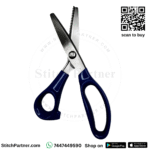
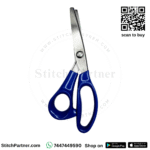
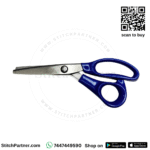
The Zig-Zag Cloth Cutting Scissors are precision cloth cutting scissors built for tailors, quilters, and fabric enthusiasts who need a zigzag edge that stays clean, cut after cut.
What Are Zig-Zag Cloth Cutting Scissors?
Zig-zag cloth cutting scissors — also sold as pinking shears or zigzag cutting scissors — use a serrated, triangular-tooth blade instead of a straight edge. Every pass leaves a zigzag pattern along the fabric edge, which slows fraying on woven textile and gives decorative projects a finished look without extra stitching. For tailors cutting textile all day, the difference versus a straight-blade shear comes down to speed: one pass replaces a separate overlock or hemming step.
Why Tailors Choose These Zig-Zag Scissors for Fabric Cutting
These zig-zag scissors for tailoring are built for tailors, boutique owners, and garment units who need a zigzag edge that stays clean cut after cut — high-quality steel blades hold their tooth alignment through repeated resharpening instead of going soft and uneven the way low-grade blades do after just one grind.
Built for Real Zig-Zag Fabric Cutting, Not Just Trimming
- Precision zig-zag teeth disrupt the fabric weave along the cut edge, slowing fraying on raw seams
- High-quality steel blades retain tooth alignment through multiple resharpenings — cheaper soft steel loses the “V” pattern after one grind
- Smooth pivot action built for sustained zig-zag fabric cutting through a full workday
- Cuts cleanly across cotton, silk, denim, linen, felt, and other textile and craft materials
A Grip Designed for All-Day Tailoring
- 9-inch overall length sized for control on both long straight runs and tight pattern curves
- Plastic handles shaped for a comfortable, low-strain grip — noticeably easier on the hand across long tailoring or factory cutting sessions
- Lightweight balance (~230 grams) that doesn’t tire the wrist during repeated zig-zag cutting
Benefits of These Zigzag Cutting Scissors
- Durability: high-quality steel means fewer replacements and reliable resharpening over the tool’s working life
- Versatility: one zig-zag cutting scissor covers seam finishing, decorative edging, and pattern cutting
- Time-saving: instant fray protection on textile edges without a serger/overlock pass
- Precision: consistent tooth spacing for an even zigzag on every cut
- Comfort: an ergonomic grip that reduces hand fatigue on high-volume tailoring days
Applications — Where Zig-Zag Tailor Scissors Are Used
Tailoring Shops & Garment Factories
Finishing raw seam allowances on textile pieces to reduce fraying without running every edge through an overlock machine — useful when a machine isn’t free or the batch is too small to justify the setup.
Quilting, Appliqué & Craft Projects
Decorative zigzag edges for aprons, table runners, and appliqué work, plus clean pattern-template cutting that won’t fray before the piece is sewn.
Boutique & Home Sewing
A single pair that covers everyday fabric zig-zag scissors work — pattern cutting, seam finishing, and craft projects — without needing a dedicated machine for each task. For the straight-line cutting a zigzag blade isn’t meant for, it’s worth keeping a dedicated straight-edge scissor alongside it — the Jupiter Professional Tailor Scissor and PIN Cloth Cutting Scissor are both popular choices for that.
Fabric Fit — What These Zig-Zag Scissors for Fabric Cutting Handle Best
Works well on: cotton, linen, silk, denim, felt, and other fabrics — well-suited to everyday tailoring, boutique, and craft cutting.
Specifications
| Blade material |
High-quality steel blade |
| Overall length |
9 inch |
| Handle material |
Plastic — ergonomic, comfortable grip |
| Tooth pattern |
Triangular zigzag (V-tooth) |
| Weight |
~230 grams |
How to Use Zig-Zag Cutting Scissors
First, lay the fabric flat and mark your cutting line. Next, align the blade tips at the start of the line, keeping the zig-zag cutting scissors perpendicular to the fabric. Then, cut with a steady, even squeeze along the marked line rather than short snipping strokes, which keeps the zigzag spacing consistent. Finally, wipe the blades clean of fabric dust and close them before storing, to keep the teeth sharp for longer.
Frequently Asked Questions About Zig-Zag Cloth Cutting Scissors
Can these be sharpened once they go dull?
Yes. Light dulling can often be refreshed at home by cutting several folded layers of aluminium foil, or fine 150–200 grit sandpaper, a few times to hone the edge. Once the shears start skipping, snagging threads, or cutting an uneven zigzag, a professional serrated-blade sharpening service is safer — home stones or files can throw cheap-steel teeth out of alignment. This is exactly why blade steel quality matters at purchase: harder, well-tempered steel holds its tooth geometry through several resharpenings.
Is a “zig-zag scissor” the same as a “pinking shear”?
Yes — both describe scissors with a serrated, triangular-tooth blade that cuts a zigzag edge instead of a straight one. “Pinking” is the older sewing-industry term; “zig-zag scissors” is how most buyers search for the same tool today. Either name points to the same category of tool.
Can this cut thick fabric like multiple layers of denim?
It depends on thickness. Medium-weight tightly-woven fabric — cotton, denim, linen, felt — cuts cleanly in a single layer. Thick, heavy, or multi-layered stacks put more strain on the pivot and can leave a ragged edge, so it’s better suited to single or double layers than a full stack. Cutting hard non-fabric material like wire or cardboard with the same blades is the fastest way to dull them — keep a separate utility scissor for that.
How do I stop the blades from going stiff or rusting?
Wipe the blades dry after every use, especially after cutting fusible interfacing or anything sticky, since leftover residue accelerates dulling. Add a drop of sewing-machine or scissor oil at the pivot screw if the blades feel stiff. Store closed in a sleeve or case in a dry spot — humidity is the main cause of rust along the teeth, which is harder to clean out of a serrated edge than a straight one.
Cutting a lot of fabric every day? Pair these zig zag scissors with our PIN 696A cordless electric scissors for fast, effortless straight-line cutting.