Sewing Machine Cleaning Brush for Lint and Dust Removal
Short Description
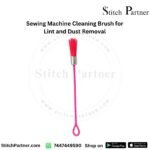
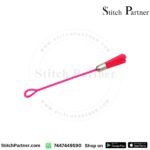
Keep your sewing machine clean with this double-ended nylon-bristle cleaning brush. Its two brush heads help remove loose lint, thread fuzz and fabric dust from accessible machine areas. Suitable for routine maintenance of many industrial and domestic sewing machines. Pack of 1 piece.
₹50.00 Original price was: ₹50.00.₹20.00Current price is: ₹20.00.
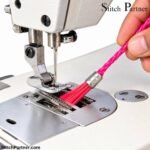
Keep your sewing machine cleaner with this sewing machine cleaning brush, designed to remove loose lint, thread fuzz, and fabric dust from hard-to-reach areas. Its double-ended design gives you two brush sizes in one convenient tool. Moreover, the slim handle helps you reach narrow spaces around the bobbin area, feed dogs, and other accessible machine parts.
Whether you run a tailoring shop, manage a boutique, work in a garment factory, or sew at home, regular cleaning helps you maintain a tidy sewing workspace. Therefore, keep this practical maintenance tool close to your machine for routine care.
Key Features of the Double-Ended Cleaning Brush
- Two brush ends: Use the wider head for accessible surfaces and the narrower head for small gaps.
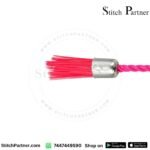
- Nylon bristles: Brush away loose textile fibers and dust from accessible machine areas.
- Slim handle: Reach into narrow spaces without struggling with a bulky cleaning tool.
- Reusable design: Clean the brush after use so it stays ready for your next maintenance session.
- Everyday maintenance: Suitable for routine lint removal in tailoring shops, sewing rooms, and garment production workspaces.
Additionally, the two brush heads let you choose the appropriate end for each cleaning task. As a result, you can clean broader surfaces and smaller crevices with one compact accessory.
Where Can You Use a Sewing Machine Cleaning Brush?
Lint and loose fibers can collect around moving and thread-handling parts during regular sewing. For this reason, clean the accessible areas of your machine routinely, especially after working with fabrics that shed fibers.
You can use the brush to remove loose lint from:
- Bobbin and bobbin case area: Clear loose fibers around accessible surfaces.
- Feed dog teeth: Brush away accumulated fabric fuzz.
- Hook and shuttle area: Remove loose lint from accessible areas after opening the machine as instructed by its manufacturer.
- Needle bar area: Clean accessible surfaces around the needle mechanism.
- Thread tension area: Remove surface dust carefully without disturbing the thread settings.
Furthermore, the brush can help maintain a cleaner workspace when you switch between cotton, denim, fleece, wool, and synthetic fabrics.
Machine Compatibility
This cleaning brush is a general-purpose maintenance accessory rather than a machine-specific replacement part. You can use it for routine cleaning around accessible areas of many industrial and domestic sewing machines.
It may suit sewing setups that include:
- Single-needle lockstitch machines
- Overlock and interlock machines
- Coverstitch machines
- Feed-of-arm sewing machines
- Walking-foot sewing machines
- Domestic household sewing machines
It can be useful when maintaining machines from brands such as Jack, Juki, Brother, Singer, Siruba, Kansai, and Pegasus. However, these are potential application examples, not verified compatibility claims for every model. Always follow your machine manufacturer’s cleaning instructions.
How to Clean Your Sewing Machine Safely
- Switch off the machine. Disconnect the power before cleaning.
- Access the cleaning area. Remove the needle plate, bobbin case, or other permitted covers only as described in your machine manual.
- Choose the right brush head. Use the wider end for accessible surfaces and the narrow end for confined spaces.
- Brush gently. Lift away loose lint and thread fibers without forcing the bristles into delicate mechanisms.
- Remove the collected lint. Lift it out rather than pushing it deeper into the machine.
- Inspect before reassembly. Check that the cleaned areas are free from loose fibers, then reinstall any removed parts correctly.
- Lubricate only when required. Follow the manufacturer’s instructions for the correct lubrication points and oil type.
Finally, avoid applying cleaning liquids or solvents inside the machine unless the manufacturer specifically permits them. Do not disturb tension settings or apply excessive force around precision components.
Why Keep a Cleaning Brush in Your Sewing Toolkit?
Regular lint removal is a simple part of sewing machine maintenance. In addition, a dedicated brush makes routine cleaning more convenient for tailors, boutique owners, garment workers, and home sewers.
Pair this brush with other useful supplies from StitchPartner, including sewing machine hook sets and tailoring tools and sewing supplies. You can also explore the StitchPartner sewing machine parts collection for maintenance and replacement essentials.
For further guidance, consult your machine manufacturer’s official maintenance manual. You can also refer to Singer’s official website for manufacturer support and machine-care resources.
Frequently Asked Questions
1. What is a sewing machine cleaning brush used for?
A sewing machine cleaning brush removes loose lint, thread fuzz, and fabric dust from accessible machine areas, including around the feed dogs, bobbin case, and hook area. Regular cleaning helps keep the workspace around these components free from accumulated textile debris.
2. Why does the brush have two ends?
The double-ended design provides two brush sizes for different cleaning tasks. Use the wider end for accessible surfaces and the narrower end for tight spaces that require more precise brushing.
3. Can I use this brush on an industrial sewing machine?
Yes, you can use it for routine lint removal around accessible areas of many industrial sewing machines. However, follow the manufacturer’s cleaning instructions and avoid forcing the bristles into delicate mechanisms.
4. Is this brush suitable for domestic sewing machines?
Yes, it can serve as a general-purpose cleaning tool for many household sewing machines. Before cleaning, switch off the machine and consult its manual for instructions on accessing internal areas.
5. How often should I clean my sewing machine?
Clean away lint regularly, especially after sewing fabrics that shed fibers or completing long sewing sessions. Your machine’s manual may specify additional cleaning intervals based on its design and workload.
6. Can I wash and reuse the brush?
You can clean the bristles if the brush construction permits it. However, avoid soaking the handle or using solvents unless the manufacturer confirms that these methods are safe.
7. Does the brush replace professional machine servicing?
No. The brush supports routine lint removal, but it does not replace lubrication, adjustment, inspection, or professional servicing when required.
8. Will it fit every sewing machine model?
The brush is a general-purpose cleaning accessory, not a model-specific replacement component. Its usefulness depends on access to the cleaning area and the machine manufacturer’s maintenance instructions.
Compatible Products
YDL Professional Cloth Cutting Scissors 10, 11, 12 Inch – Tailor Scissors
In stock
PIN 696 Electric Scissors – Cordless Rechargeable Fabric Cutter
In stock
Imported Magneto Mini Portable Bag Closer Machine GK-9 Series
In stock
Portable Mini Sewing Kit Box with 15 Color Threads
In stock
MESSER 125mm Cloth Cutting Machine | 350W Heavy Duty Electric Fabric Cutter | कपड़ा कटिंग मशीन
In stock
YS-4454 Button Holer Attachment for Sewing Machines
In stock
NRV 1/2 Inch Non-Return Valve for Steam Iron
In stock
18A/25A Contactor for Industrial Steam Iron Boiler
In stock
Product Description
Keep your sewing machine cleaner with this sewing machine cleaning brush, designed to remove loose lint, thread fuzz, and fabric dust from hard-to-reach areas. Its double-ended design gives you two brush sizes in one convenient tool. Moreover, the slim handle helps you reach narrow spaces around the bobbin area, feed dogs, and other accessible machine parts.
Whether you run a tailoring shop, manage a boutique, work in a garment factory, or sew at home, regular cleaning helps you maintain a tidy sewing workspace. Therefore, keep this practical maintenance tool close to your machine for routine care.
Key Features of the Double-Ended Cleaning Brush
- Two brush ends: Use the wider head for accessible surfaces and the narrower head for small gaps.
- Nylon bristles: Brush away loose textile fibers and dust from accessible machine areas.
- Slim handle: Reach into narrow spaces without struggling with a bulky cleaning tool.
- Reusable design: Clean the brush after use so it stays ready for your next maintenance session.
- Everyday maintenance: Suitable for routine lint removal in tailoring shops, sewing rooms, and garment production workspaces.
Additionally, the two brush heads let you choose the appropriate end for each cleaning task. As a result, you can clean broader surfaces and smaller crevices with one compact accessory.
Where Can You Use a Sewing Machine Cleaning Brush?
Lint and loose fibers can collect around moving and thread-handling parts during regular sewing. For this reason, clean the accessible areas of your machine routinely, especially after working with fabrics that shed fibers.
You can use the brush to remove loose lint from:
- Bobbin and bobbin case area: Clear loose fibers around accessible surfaces.
- Feed dog teeth: Brush away accumulated fabric fuzz.
- Hook and shuttle area: Remove loose lint from accessible areas after opening the machine as instructed by its manufacturer.
- Needle bar area: Clean accessible surfaces around the needle mechanism.
- Thread tension area: Remove surface dust carefully without disturbing the thread settings.
Furthermore, the brush can help maintain a cleaner workspace when you switch between cotton, denim, fleece, wool, and synthetic fabrics.
Machine Compatibility
This cleaning brush is a general-purpose maintenance accessory rather than a machine-specific replacement part. You can use it for routine cleaning around accessible areas of many industrial and domestic sewing machines.
It may suit sewing setups that include:
- Single-needle lockstitch machines
- Overlock and interlock machines
- Coverstitch machines
- Feed-of-arm sewing machines
- Walking-foot sewing machines
- Domestic household sewing machines
It can be useful when maintaining machines from brands such as Jack, Juki, Brother, Singer, Siruba, Kansai, and Pegasus. However, these are potential application examples, not verified compatibility claims for every model. Always follow your machine manufacturer’s cleaning instructions.
How to Clean Your Sewing Machine Safely
- Switch off the machine. Disconnect the power before cleaning.
- Access the cleaning area. Remove the needle plate, bobbin case, or other permitted covers only as described in your machine manual.
- Choose the right brush head. Use the wider end for accessible surfaces and the narrow end for confined spaces.
- Brush gently. Lift away loose lint and thread fibers without forcing the bristles into delicate mechanisms.
- Remove the collected lint. Lift it out rather than pushing it deeper into the machine.
- Inspect before reassembly. Check that the cleaned areas are free from loose fibers, then reinstall any removed parts correctly.
- Lubricate only when required. Follow the manufacturer’s instructions for the correct lubrication points and oil type.
Finally, avoid applying cleaning liquids or solvents inside the machine unless the manufacturer specifically permits them. Do not disturb tension settings or apply excessive force around precision components.
Why Keep a Cleaning Brush in Your Sewing Toolkit?
Regular lint removal is a simple part of sewing machine maintenance. In addition, a dedicated brush makes routine cleaning more convenient for tailors, boutique owners, garment workers, and home sewers.
Pair this brush with other useful supplies from StitchPartner, including sewing machine hook sets and tailoring tools and sewing supplies. You can also explore the StitchPartner sewing machine parts collection for maintenance and replacement essentials.
For further guidance, consult your machine manufacturer’s official maintenance manual. You can also refer to Singer’s official website for manufacturer support and machine-care resources.
Frequently Asked Questions
1. What is a sewing machine cleaning brush used for?
A sewing machine cleaning brush removes loose lint, thread fuzz, and fabric dust from accessible machine areas, including around the feed dogs, bobbin case, and hook area. Regular cleaning helps keep the workspace around these components free from accumulated textile debris.
2. Why does the brush have two ends?
The double-ended design provides two brush sizes for different cleaning tasks. Use the wider end for accessible surfaces and the narrower end for tight spaces that require more precise brushing.
3. Can I use this brush on an industrial sewing machine?
Yes, you can use it for routine lint removal around accessible areas of many industrial sewing machines. However, follow the manufacturer’s cleaning instructions and avoid forcing the bristles into delicate mechanisms.
4. Is this brush suitable for domestic sewing machines?
Yes, it can serve as a general-purpose cleaning tool for many household sewing machines. Before cleaning, switch off the machine and consult its manual for instructions on accessing internal areas.
5. How often should I clean my sewing machine?
Clean away lint regularly, especially after sewing fabrics that shed fibers or completing long sewing sessions. Your machine’s manual may specify additional cleaning intervals based on its design and workload.
6. Can I wash and reuse the brush?
You can clean the bristles if the brush construction permits it. However, avoid soaking the handle or using solvents unless the manufacturer confirms that these methods are safe.
7. Does the brush replace professional machine servicing?
No. The brush supports routine lint removal, but it does not replace lubrication, adjustment, inspection, or professional servicing when required.
8. Will it fit every sewing machine model?
The brush is a general-purpose cleaning accessory, not a model-specific replacement component. Its usefulness depends on access to the cleaning area and the machine manufacturer’s maintenance instructions.
Item #2
Fast Shipping
Carrier information
COD Availabe
Payment methods