
Blog
Sewing Machine Tension Problems: The Pull Test Method

Quick Answer
Most sewing machine tension problems — loose loops on the underside, thread nests, puckered seams — get blamed on the wrong thing. The pull test is a simple diagnostic: thread the machine normally, then gently pull the thread through with the presser foot up and down, feeling for resistance. Even, moderate resistance means tension is fine. The real problem is elsewhere: a dirty bobbin case, incorrect threading path, or a bent needle. Uneven or absent resistance points to the tension assembly itself. Because so many other faults mimic a tension problem, this simple check should always come first.
Why Sewing Machine Tension Problems Get Blamed for Everything
Tension is the first thing most people adjust when a stitch looks wrong, because it’s the most visible dial on the machine. In practice, a large share of “tension problems” are actually threading mistakes, lint buildup in the bobbin case, or a damaged needle catching the thread. Adjusting tension without ruling these out first often makes the real problem harder to diagnose, not easier.
How to Do the Pull Test

Testing upper thread tension
- Thread the machine normally, with the presser foot down.
- Hold the thread just above the tension discs and pull it gently but firmly.
- You should feel steady, even resistance — not a free slide, and not a hard stop.
- Raise the presser foot and repeat. The thread should now pull almost completely free, since lifting the foot releases the tension discs.
What the results mean
- Even resistance with foot down, free release with foot up: tension mechanism is working correctly — look elsewhere for the problem.
- Resistance doesn’t change when the foot lifts: the tension discs may not be releasing properly, often due to lint or a bent release mechanism.
- Thread slides freely even with the foot down: lint or thread debris is commonly lodged between the tension discs, preventing them from gripping. Try “flossing” between the discs with a strip of clean cotton fabric while the foot is down.
- Resistance feels rough or inconsistent along the thread’s length: often a burr on the tension disc itself or a damaged thread guide upstream.
Checking Bobbin Tension
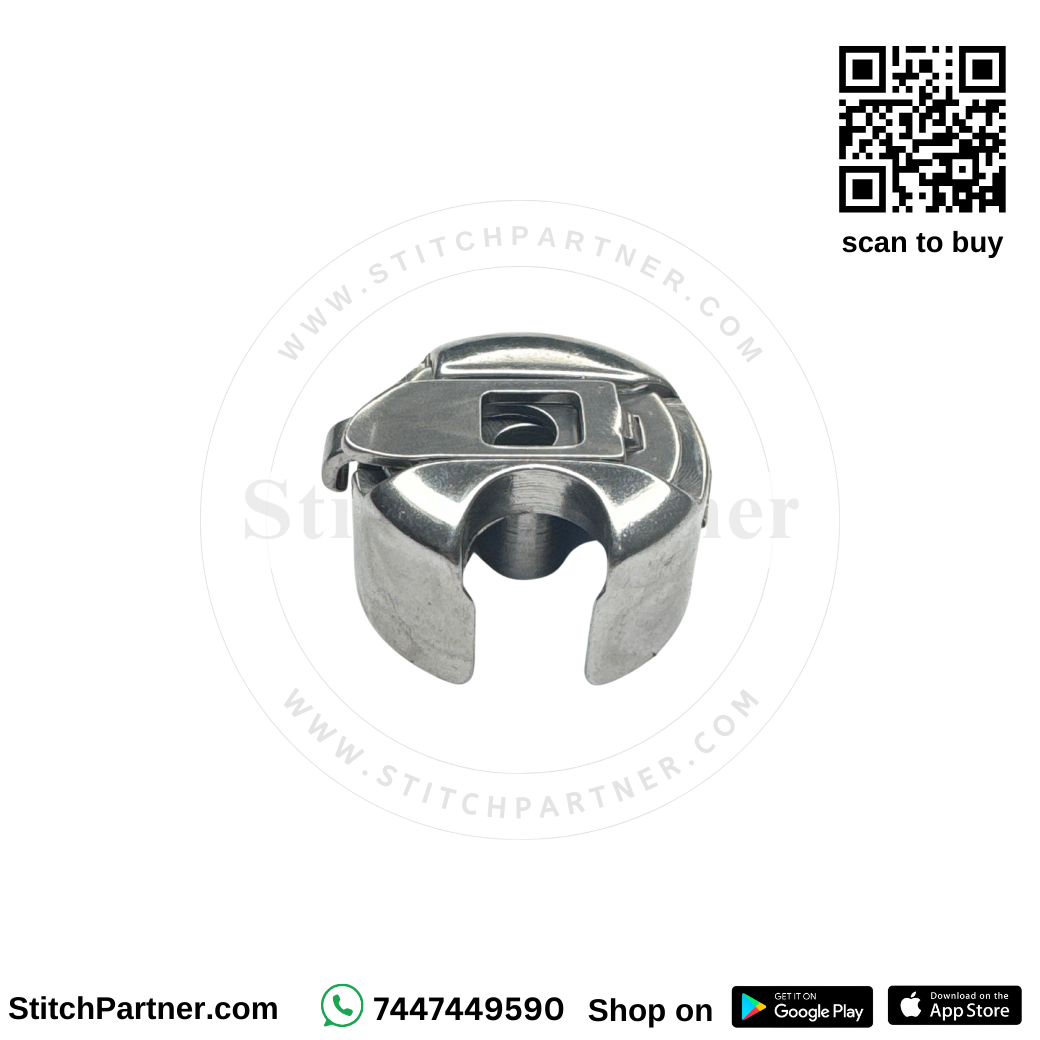
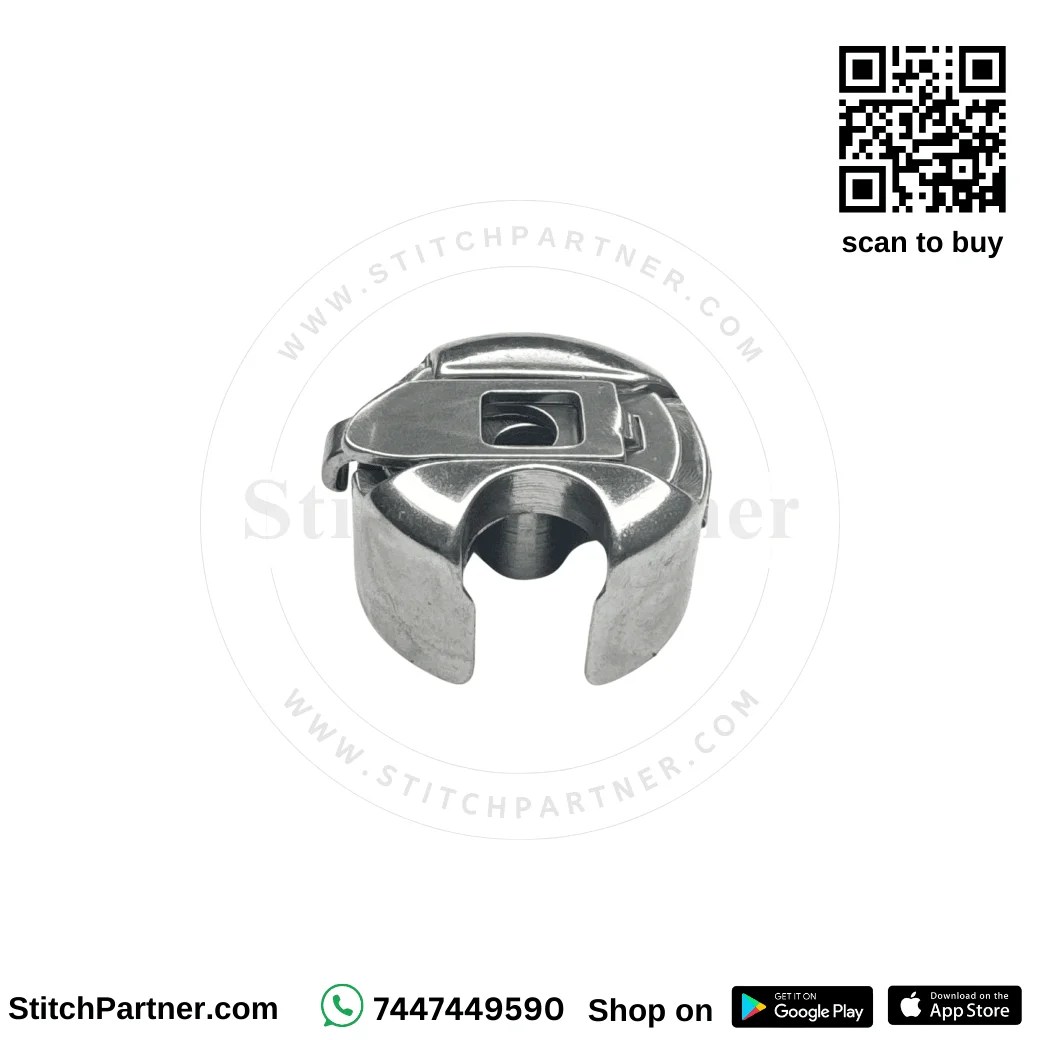
Bobbin tension is just as often the real culprit as upper tension, especially on machines that see heavy daily use. Hold the bobbin case by the thread tail and let it drop. A properly tensioned case should drop an inch or two and then hold, not free-fall or refuse to drop at all. A bobbin case that’s lost its spring tension, or has a worn/scratched tension spring, will give inconsistent stitches no matter how the upper tension is set.
When It’s Not Tension at All
If the pull test comes back normal on both upper and bobbin tension, the real cause is usually one of these:
- Incorrect threading path: a thread guide skipped, or thread not seated properly in the take-up lever
- Bent or dull needle: even a slightly bent needle changes how thread catches at the hook, mimicking a tension fault
- Lint in the hook/bobbin area: packed lint changes how smoothly the bobbin thread feeds, independent of tension settings
- Wrong needle system or size for the machine: affects hook timing and thread pickup
We see this pattern constantly at the shop. Someone brings in a machine convinced the tension assembly is faulty, and it turns out to be a bent needle or a bobbin case packed with lint. Running the pull test first saves a lot of unnecessary part-swapping.
Genuine Tension & Bobbin Case Parts
If the pull test confirms the tension assembly itself is worn, we stock genuine replacements: Lock-Stitch Bobbin Case for Jack & Juki and the B3109-377-0A0 Thread Tension Guide for Juki MB-373.
Frequently Asked Questions
What is the pull test on a sewing machine?
A quick diagnostic where you gently pull the threaded upper thread with the presser foot down, then up, to feel whether the tension discs are gripping and releasing correctly.
Why does my machine have loose loops on the underside of the fabric?
This usually means upper tension is too loose relative to bobbin tension, but always run the pull test and check for lint in the bobbin case before adjusting the dial.
How do I check bobbin tension without a gauge?
Hold the bobbin case by the thread tail and let it drop. It should fall an inch or two and then hold — free-falling means tension is too loose, not dropping at all means it’s too tight.
Can a bad needle cause tension-like problems?
Yes. A bent or dull needle changes how thread is caught at the hook, which often looks exactly like a tension fault but has nothing to do with the tension discs.
Related guides: Needle System Guide | JACK vs Juki Buying Guide
Written by Aashu, owner of Stitch Partner. We’ve spent years diagnosing tension and stitch-quality problems on JACK, Juki, and Brother machines across India — this guide reflects what actually comes through our shop, not just spec sheets.

